
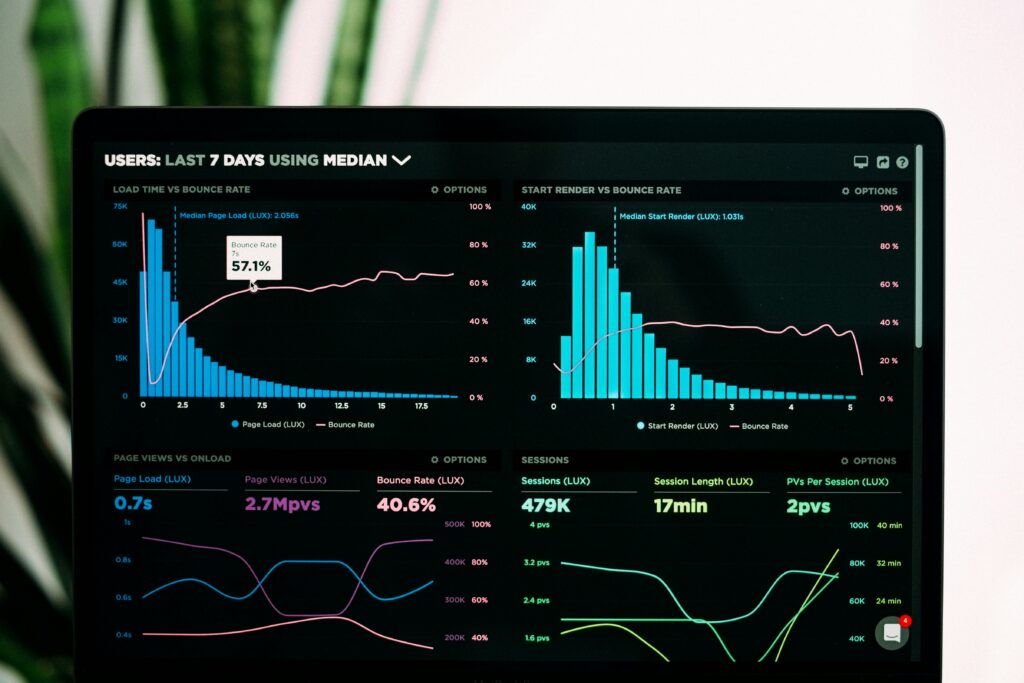
A pattern I have seen at more companies than I can count. A dashboard project is commissioned. It takes six weeks. The result is genuinely impressive: clean layout, sensible colours, twelve charts covering every metric anyone mentioned. It is presented to enthusiastic nods.
Three months later, the analytics shows four people have opened it, three of them the people who built it.
The dashboard was not bad. It was built to answer the wrong question.
The core mistake: comprehensiveness instead of decisions
Most dashboards get scoped by asking stakeholders what they want to see. That question reliably produces a list of everything, because nobody wants to be the person who left out their metric. The result is a reference document, and people do not visit reference documents.
The better question is: what decision will you make differently depending on what this shows?
It is an uncomfortable question, and the first few answers are usually vague. Push through it. When someone finally says if regional margin drops below 30 percent I need to renegotiate with that supplier, you now know what to build: one number, a threshold, a trend, and the two or three fields needed to diagnose it. That dashboard gets opened every week, because it is attached to an action someone is accountable for.
Six specific reasons dashboards go unused
1. It answers no question the viewer actually has
Twelve charts covering everything means no chart covering the one thing this particular person needs on a Monday morning. Build role-specific views rather than one universal dashboard. The operations manager and the CFO do not need the same page.
2. Nobody trusts the numbers
This is the silent killer. One person spots a figure that contradicts their own spreadsheet, mentions it in a meeting, and the dashboard is quietly written off by everyone in the room. Trust is lost in a moment and rebuilt over months. Reconcile against the sources people already believe, and do it before launch, not after the first complaint.
3. The data is stale and there is no way to tell
If a refresh fails silently on a Tuesday, everyone spends the rest of the week making decisions on last week’s numbers. Put a visible last updated timestamp on every page. Alert someone when a refresh fails. This is a small piece of engineering that protects the entire investment.
4. It shows a number without a reference point
Revenue is 847,000. Is that good? Without a target, a prior period, or a forecast, the viewer cannot act, so they open the spreadsheet they trust instead. Every important number needs a comparison next to it.
5. It takes too long to load
Fifteen seconds is enough to break the habit. People will not build a daily routine around something that makes them wait. Aggregate upstream, limit default date ranges, and treat performance as a feature rather than an optimisation to do later.
6. It was launched by email
A link in an all-staff message is not a rollout. Adoption comes from a dashboard being used in a recurring meeting by someone senior. If the weekly review is run from the dashboard rather than from a slide deck, usage follows within a month. If it is not, it will not.
What the used ones have in common
- One primary question per page. If you cannot state it in a sentence, split the page.
- The answer visible without scrolling or clicking. Detail lives below and behind, never in front.
- Comparison built into every key figure. Target, prior period, or benchmark.
- An owner. A named person responsible for it being correct, who hears about it when it breaks.
- A home in an existing routine. A meeting, a Monday check, a standing agenda item.
A test worth running
Before building anything, ask the people who requested it to describe the decision they will make from it, and what they would do differently at each plausible result. If they cannot, the dashboard is not ready to be built. That conversation is unglamorous and it is the highest-return hour in the entire project.
Build fewer charts, attached to real decisions, owned by real people. Adoption stops being a problem you have to solve afterwards.